

M

Marcus Reed,

2 booksSelf-HelpWellness & FitnessInstructional Guide

Sam Son is an independent systems builder, digital operator, and creator specializing in practical workflow automation for solopreneurs. With a focus on lean, no-code operations and conversational AI, he helps micro-business owners eliminate repetitive administrative busywork and reclaim their time. He believes technology should give operators leverage, not extra complications. When he isn't designing automated pipelines or refining prompt systems, he is experimenting with new tools to simplify the modern digital workplace.

Books

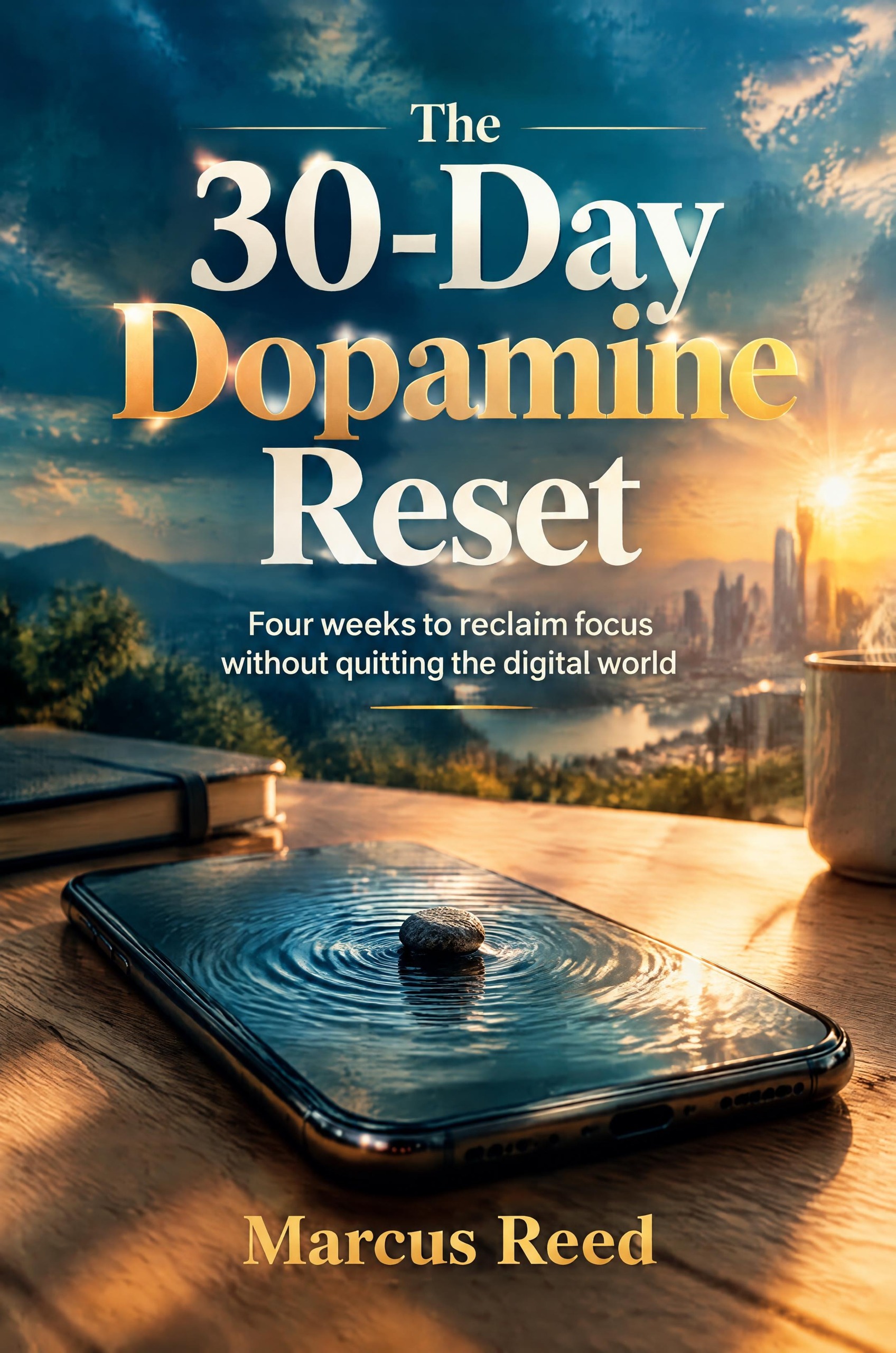
The 30-Day Dopamine Reset

The 30-Day Dopamine Reset

Four weeks to reclaim focus without quitting the digital world

  • Self-Help
  • Wellness & Fitness
  • Instructional Guide

Your brain is not broken. It is overstimulated. Endless feeds, phantom vibrations, and cheap hits of novelty have trained your attention to scatter. Brain fog, half-finished work, and the itch to check your phone are not moral failures. They are a hijacked reward system. The 30-Day Dopamine Reset is a practical, science-backed protocol for professionals, students, and remote workers who cannot unplug from modern life but still need their minds back. Across four weeks you will audit unconscious screen habits, dial down high-intensity inputs, redesign your phone and workspace with friction, and lock in deep-focus blocks that survive a normal workday. You get daily exercises, cognitive reframes, screen-free alternatives, and checklists. No monastery. No shame. Just a Neural Reboot that trades cheap spikes for steady drive, working memory, and concentration you can actually keep.
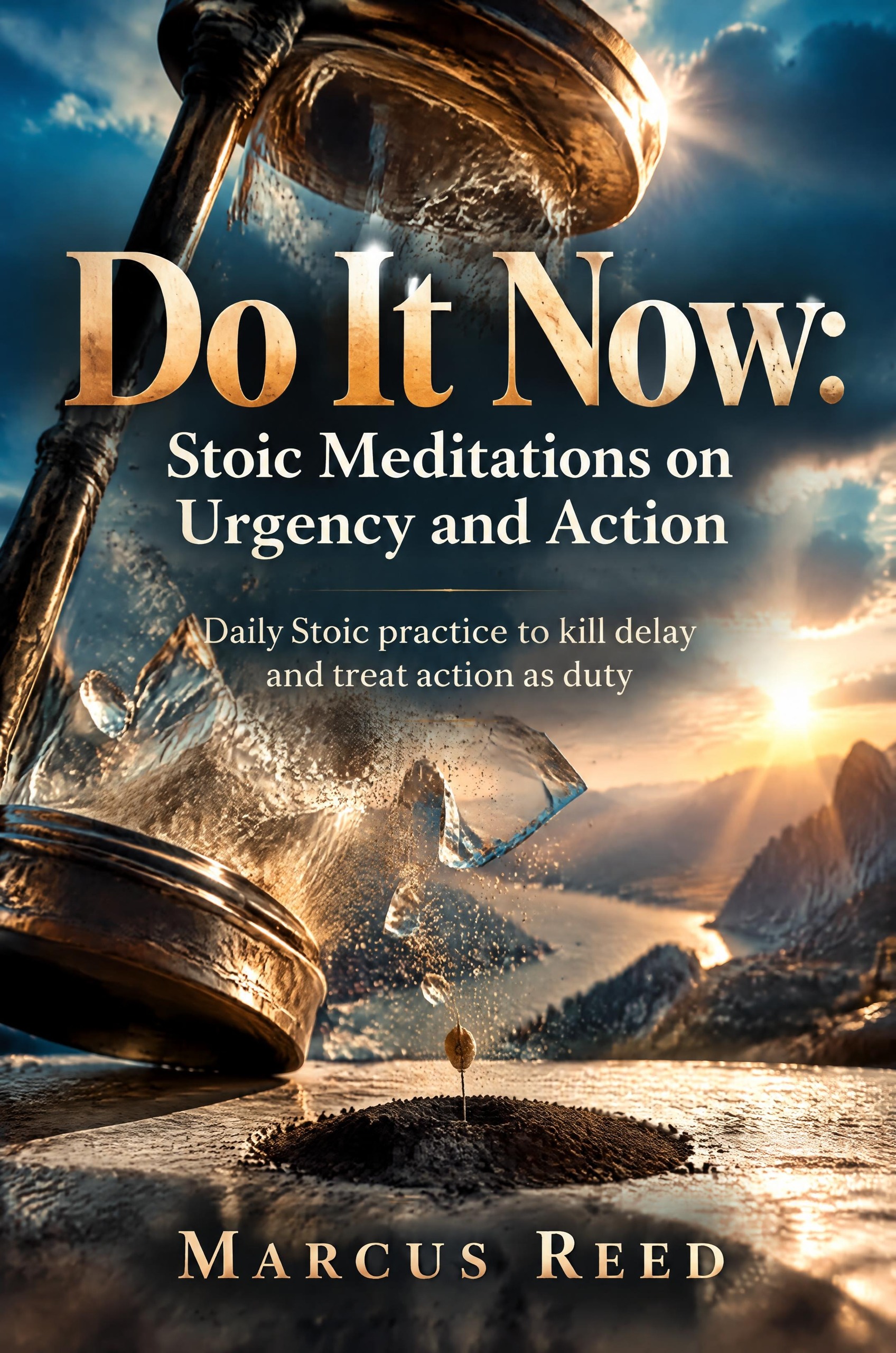
Do It Now: Stoic Meditations on Urgency and Action

Do It Now: Stoic Meditations on Urgency and Action

Daily Stoic practice to kill delay and treat action as duty

  • Self-Help
  • Educational & Academic

You already know what to do. You wait anyway. Do It Now treats chronic delay not as a calendar problem but as a moral misjudgment: the quiet belief that time is infinite and action is optional. Drawing on Marcus Aurelius, Seneca, and Epictetus, each meditation names an avoidance trap—perfectionism, social fear, physical friction, the hunt for inspiration—and recasts it through the dichotomy of control and voluntary discomfort. A four-part path follows. First, mortality is used as a daily clock, not a slogan. Second, effort is separated from applause. Third, the body is trained to move before the mood arrives. Fourth, execution becomes a professional code of honor rather than a feeling you wait to feel. Short morning protocols convert insight into motion. Relapse traps are named in advance. Over time, action stops being a mood and starts being a duty you keep, one morning at a time.