

Blood Pressure. A Natural Approach
An Evidence-Based Lifestyle Blueprint to Lower Hypertension and Restore Cardiovascular Vitality
by Tchai Mumford
Are you ready to take control of your cardiovascular health without relying solely on prescription medication? In Blood Pressure: A Natural Approach, health researcher Quentin Mumford delivers a transformative, evidence-backed roadmap to lower high blood pressure safely and sustainably. Grounded in the latest medical science and the updated AHA/ACC guidelines, this comprehensive guide addresses the root causes of hypertension—from arterial stiffness and metabolic dysfunction to chronic stress and nervous system overload. Inside, you will discover: • Targeted nutritional strategies, including a Mediterranean whole-food diet and circadian-aligned eating patterns. • Scientifically validated exercise protocols, from isometric handgrip routines to HIIT and sauna therapy. • Powerful autonomic reset techniques, including vagal breathing methods, mindfulness, and biofeedback. • The truth about essential supplements like magnesium, omega-3s, and hibiscus extract. • A structured 12-week natural protocol designed to systematically optimize your numbers. Whether you are newly diagnosed with prehypertension or seeking to revitalize your cardiovascular baseline, this essential manual empowers you with the practical tools needed to reclaim lasting heart health naturally.
- Wellness & Fitness
- Chronic Illness Management
- Nutrition & Supplements
- Holistic Wellness
- Exercise & Fitness
What Is Blood Pressure?
Blood pressure is the physical force exerted by circulating blood against the arterial walls; a vital sign that serves as an immediate window into cardiovascular health, arterial elasticity, and systemic disease risk. Understanding what blood pressure represents and how it operates in the body is the foundational prerequisite for every natural intervention in this book.
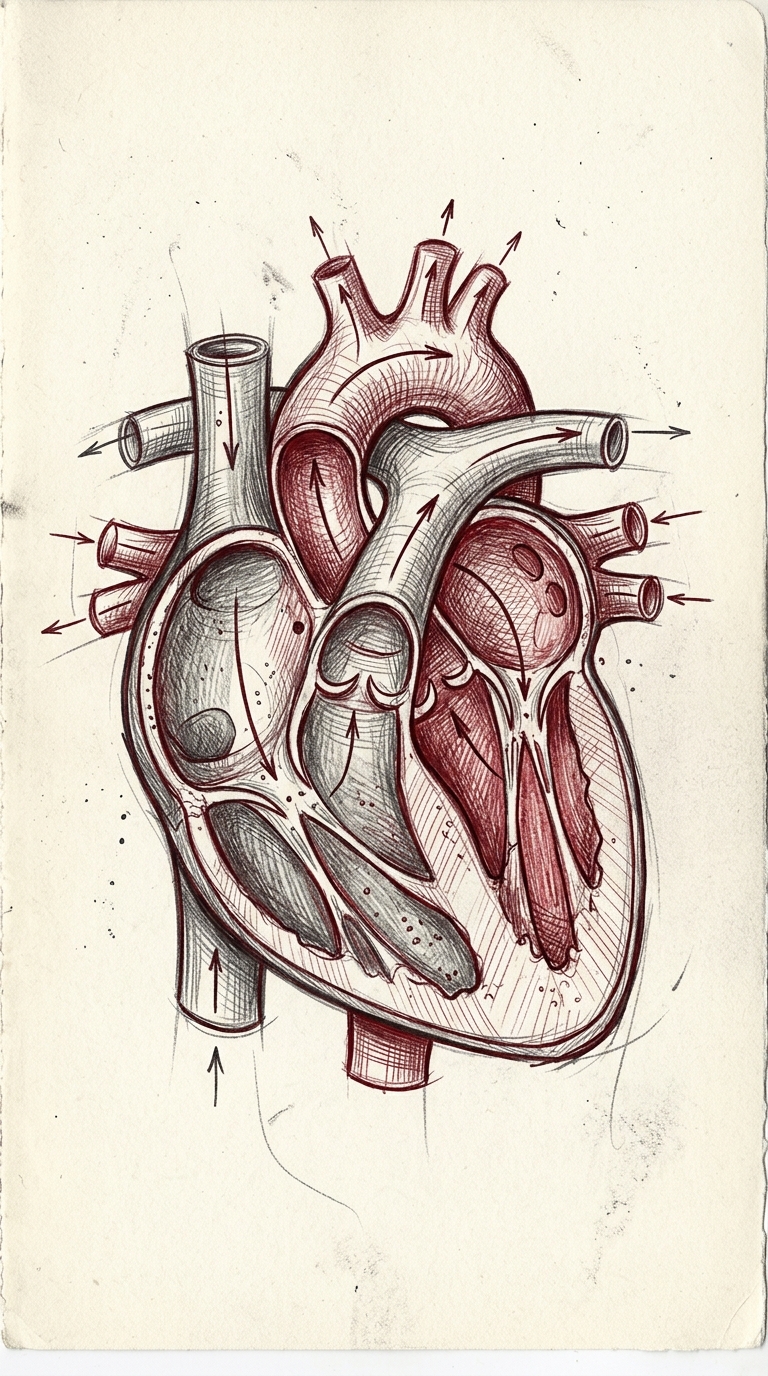
1.1 The Mechanics of Blood Pressure
The heart functions as a muscular pump, contracting rhythmically to propel blood throughout the body. With each contraction (systole), the heart forces blood into the arteries. Between contractions, the heart relaxes (diastole) and the arteries maintain pressure to keep blood flowing continuously to all organs and tissues.
Blood pressure is determined by two primary factors: cardiac output (the volume of blood the heart pumps per minute) and peripheral vascular resistance (the resistance of the blood vessels to blood flow). When either factor increases beyond optimal levels, blood pressure rises. Sustained elevation, known as hypertension, silently damages arterial walls, the heart, kidneys, brain, and eyes over years and decades.
1.2 Systolic vs. Diastolic Pressure
A blood pressure reading consists of two numbers expressed as a fraction. Systolic pressure (the upper number) reflects the force in the arteries when the heart beats. Diastolic pressure (the lower number) reflects the force when the heart rests between beats. Both numbers matter independently and together.
1.3 Blood Pressure Categories
The American College of Cardiology and American Heart Association classify blood pressure as follows (2025 AHA/ACC Guideline):
• Normal: Less than 120/80 mmHg
• Elevated: 120 to 129 / less than 80 mmHg
• Stage 1 Hypertension: 130 to 139 / 80 to 89 mmHg
• Stage 2 Hypertension: 140 or above / 90 or above mmHg
Page 17 | For informational purposes only. Consult your physician.
Blood Pressure: A Natural Approach | Quentin Mumford
• Hypertensive Crisis: Over 180 / over 120 mmHg. Seek emergency care
immediately.
1.4 Primary vs. Secondary Hypertension
Approximately 90 to 95 percent of hypertension cases are classified as primary
(essential) hypertension, meaning there is no single identifiable medical cause. The
remaining 5 to 10 percent are secondary hypertension, resulting from an
underlying condition such as kidney disease, adrenal gland disorders (including
primary aldosteronism, now universally screened under 2025 guidelines), thyroid
dysfunction, or obstructive sleep apnea.
1.5 Why Blood Pressure Matters Beyond the Heart
Uncontrolled hypertension damages far more than the cardiovascular system. In the vascular domain, it stands as the leading modifiable risk factor for stroke, the primary driver of end-stage kidney failure, and a major cause of myocardial infarction and congestive heart failure. Neurologically, sustained high pressure relentlessly injures cerebral microvasculature, making it a leading driver of accelerated cognitive decline, mild cognitive impairment, and vascular dementia (2025 AHA/ACC Guideline).
Taking control of your blood pressure is not merely damage control—it is an empowering, proactive investment in safeguarding your brain, preserving your vitality, and protecting your long-term cardiovascular future.
Page 18 | For informational purposes only. Consult your physician.
How to Read Your Numbers
Blood pressure measurement is among the simplest and most powerful toolsavailable for monitoring cardiovascular health, yet it is frequently misunderstoodand poorly performed. This chapter provides a clear, practical guide to accuratemeasurement and meaningful interpretation.2.1 Home vs. Clinical MeasurementHome blood pressure monitoring provides a…