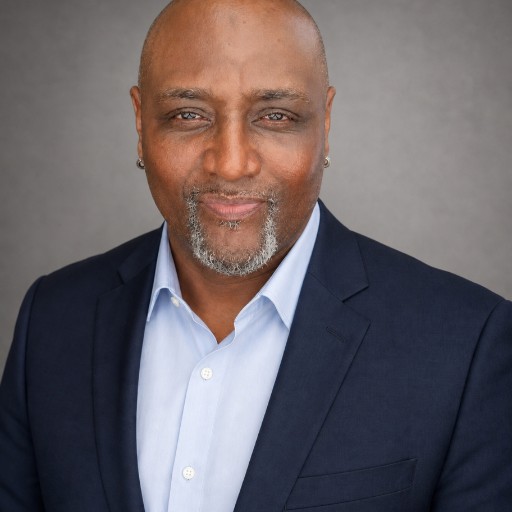
C. Allen Pickens
2 booksSelf-HelpParenting & FamilyInstructional Guide
C. Allen Pickens
I’m not a political analyst, an insider in Washington, nor a seasoned investigative journalist. I'm just a God fearing, apple pie eating American citizen who is mortified by the abuses being inflicted on Americans by our current leaders. Our government has turned a significant part of the population into scapegoats. The President has branded anyone who disagrees with him as an “enemy of the State.”
Let me be clear: I love this country, and why wouldn’t I? My grandparents were born into slavery and worked as sharecroppers in the Deep South. Three generations later, I became a college-educated small business owner. This remarkable nation has provided me with everything I have, yet it has also stripped away my innocence, replacing it with cynicism and distrust toward many of my fellow citizens.
I began to take an interest in presidential politics at the age of twelve in 1972. My fascination with government and the leaders we elect have only grown since. It’s no coincidence that the “Nixon Years” shaped not only my passion for civics but also my deep-seated skepticism. Yes, my feelings about American politics are a paradox. I admire the noble intentions behind our Constitution, while simultaneously recognizing that some individuals are intent on reducing its values to little more than a distant aspiration.
My idealism about America was fueled by my admiration for its Presidents. As a young boy, I perceived these leaders as figures of extraordinary courage and insight. At around ten years old, I started exploring our family encyclopedias to learn about Communist China and Russia. In my youthful imagination, I had identified the ultimate antagonist, viewing American democracy as the world’s savior. Events like the Bay of Pigs and the Cuban Missile Crisis heightened my admiration for figures like JFK. During my teenage years and early twenties, I watched countless documentaries about America’s wars and developed a profound respect for the soldiers and commanders involved. In my youthful innocence, these conflicts seemed like clear-cut battles of good versus evil.
As I matured, I recognized that American democracy is not a perfect society filled solely with "good" people. Instead, we are a complex tapestry woven from diverse cultures, beliefs, and customs. I also became aware of a harmful undercurrent of competition for resources perceived as limited. It’s crucial for people to understand that this fabricated “competition” among neighbors’ fuels much of the hatred, bias, racism, and corruption plaguing our nation. Furthermore, the idea that resources are scarce in America is a falsehood. We are a land of plenty—plentiful resources, abundant talent, a wealth of ideas, and an incredible diversity. This multitude is one of the very things that makes our country exceptional.
This book serves as both a candid examination of America's flaws and a powerful reminder of the authority still held by the people. Too many have adopted a mentality of blame instead of embracing self-determination. It’s become commonplace to point fingers at red states, blue states, immigrants, or the LGBTQ community—but this must change. My mission for as long as I have the breath to speak will be to find common ground and to speak the truth. My message to anyone willing to listen is that we should not be a country divided by right and left but united in the fight for what is right against what is wrong.
I hope that readers of this work will not be discouraged or immobilized by the current situation. Our great country has faced far greater crises in its history. I believe that we will find a way to endure and rebuild the foundations of democracy even stronger than before. New challenges will arise, without a doubt. However, I am convinced that the potential for healing is immense at this moment. It is my sincere hope that many of my fellow citizens will hold fast to the notion that the power to govern was put into the hands of the masses for good reason. It’s time for us to reject the rule of the few and to embrace the intention of our Founding Fathers.