

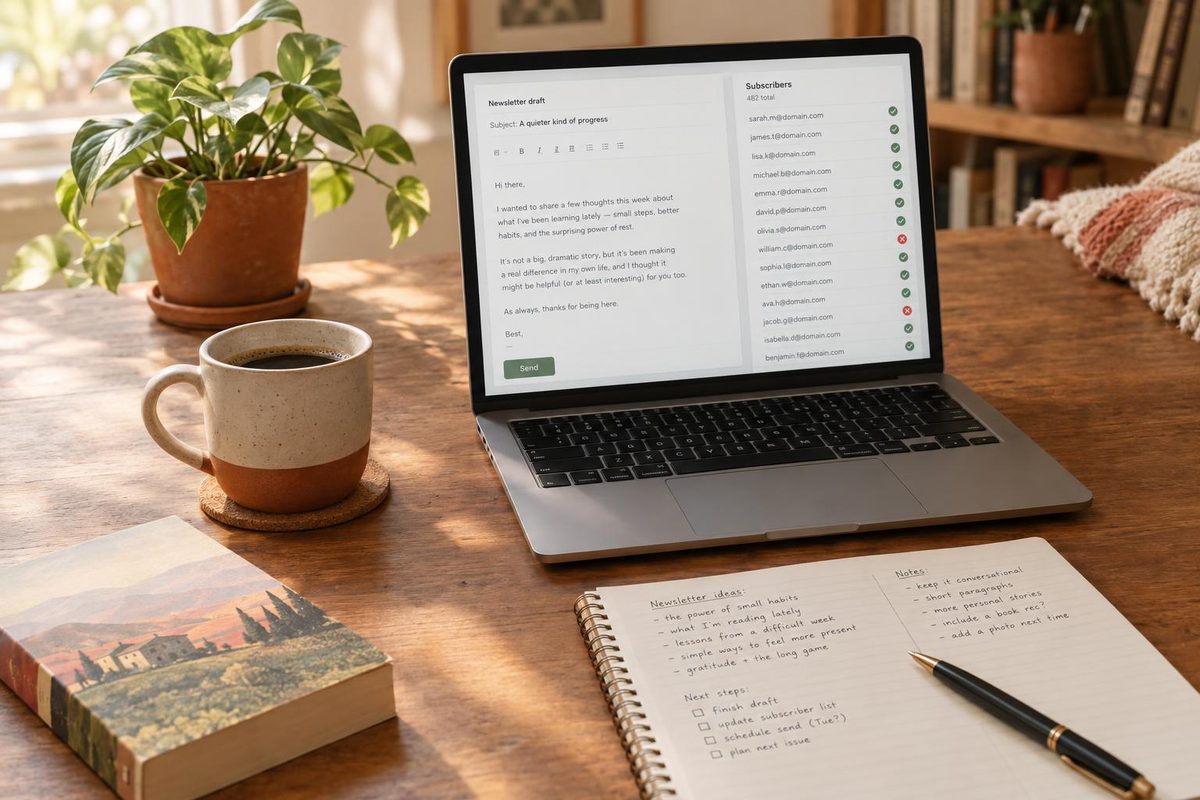
A growing audience is exciting for any writer, but a long subscriber list does not automatically mean a successful newsletter. If a writer has thousands of contacts but a portion of those addresses are invalid, outdated, or entered incorrectly, campaign performance can suffer before the content even reaches a reader's inbox.
For authors, bloggers, and independent writers, maintaining a reliable email audience is therefore just as important as producing something worth reading. A healthy list gives writers a better foundation for communicating with readers, promoting new work, and building long-term relationships.
Why Email Lists Matter to Modern Writers
Social media can help writers attract attention, but platforms change constantly. An algorithm can reduce visibility overnight, while followers may never see every post.
An email list gives writers a more direct communication channel.
A novelist can use it to announce a new book. A blogger can share a new article. A nonfiction writer might send research, tips, or exclusive resources to subscribers. The format can change depending on the audience, but the underlying advantage remains the same: writers have a direct way to reach people who have already shown an interest in their work.
That makes list quality especially important as an audience grows.
A Large List Isn't Always a Healthy List
It is easy to celebrate reaching a milestone such as 1,000 or 10,000 subscribers. But subscriber count alone does not tell the whole story.
Some people may accidentally enter an incorrect address when signing up. Others may abandon old inboxes, use temporary addresses, or simply stop using an account.
Sending newsletters to these addresses adds noise to campaign data. A writer may see more failed deliveries and have a harder time understanding how their actual readers are responding.
Instead of focusing exclusively on growth, writers should think about the quality of the audience they are building.
Check Addresses Before They Enter Your Main List
One practical way to maintain a cleaner database is to check new addresses during the signup process.
This can be particularly useful when an author offers something in exchange for an email address, such as a free chapter, downloadable guide, writing resource, or early announcement. Promotional campaigns can bring in a large number of signups within a short period, increasing the chance of incorrect entries.
An email validation service can help identify problematic addresses before they become part of a writer's regular mailing database.
The idea is simple: deal with questionable data early rather than discovering the problem after multiple campaigns have already been sent.
Give Readers a Clear Reason to Subscribe
Technical list management cannot compensate for an uninteresting newsletter.
People need a reason to hand over their email address. Writers should clearly explain what subscribers will receive and how often they can expect messages.
For example, an author might offer:
- Early access to new chapters
- Updates about upcoming books
- Personal notes about the writing process
- Exclusive stories
- Reading recommendations
- Invitations to virtual events
The offer does not have to be complicated. Often, readers simply want something personal and useful that they cannot get from a general social media post.
Make Signup Forms Easy to Complete
A complicated signup form can reduce the number of people who finish the process.
If a writer only needs an email address to send a newsletter, there may be little reason to request several additional details. A simple form with a clear explanation can make the experience much easier.
Writers should also check the form periodically. A signup process that worked perfectly six months ago can develop technical problems after a website update or integration change.
For smaller audiences, even a free email checker can be useful when reviewing individual addresses or investigating whether a particular contact is likely to be deliverable.
Pay Attention to Reader Engagement
A clean list is only the starting point. Writers should also understand how subscribers interact with their newsletters.
Instead of looking at subscriber numbers alone, consider metrics such as:
- Opens
- Clicks
- Replies
- Downloads
- Book purchases
- Unsubscribes
These numbers can reveal what readers actually find useful.
Suppose a writer sends two newsletters in the same month. One contains a personal story about the writing process and receives numerous replies. The other is a straightforward promotional announcement with very little interaction.
That difference provides a useful editorial clue. The audience may prefer personal, behind-the-scenes content over frequent sales messages.
Remove Friction From the Reader Experience
Even good content can underperform when the reader experience is poor.
Newsletters should be easy to scan, especially on mobile devices. Long blocks of text can be broken into shorter sections, important links should be easy to identify, and the main message should be clear without requiring excessive scrolling.
Writers should also avoid sending messages simply because they have not emailed their audience recently. Every newsletter should have a purpose.
A short, useful email can be more effective than a long message filled with information that readers never asked for.
Review the List as Your Audience Grows
Email list maintenance should become a routine part of audience management.
Writers can periodically review inactive subscribers, identify repeated delivery problems, and examine which signup sources produce the most engaged readers.
This becomes particularly valuable when an author moves from a small personal newsletter to a larger publishing operation.
The bigger the audience becomes, the more difficult it is to spot individual problems manually. A consistent process can prevent small data issues from turning into larger campaign problems.
Use Better Data to Shape Future Content
Clean subscriber information also makes newsletter analytics more useful.
When writers have greater confidence in the addresses receiving their campaigns, they can make better comparisons between different topics, subject lines, formats, and offers.
Over time, these insights can influence the entire content strategy.
A writer may discover that readers respond strongly to practical advice, while another audience may prefer personal updates or new-book announcements. There is no universal formula. The valuable part is learning directly from the people who chose to subscribe.
Final Thoughts
Building an email audience is not simply a numbers game. For writers, the real value comes from developing a group of genuine readers who want to hear from them.
Keeping signup processes simple, maintaining reliable contact data, creating useful content, and reviewing engagement regularly can make newsletters more effective as an audience grows.
The strongest writer newsletters are not necessarily the ones with the biggest subscriber counts. They are the ones that consistently reach interested readers with something worth opening.
About the author
This is a guest post by Justin Hall.