

An AI Book Series Generator That Reads Book One First
Starting the next book in a series means re-establishing everything: who is alive, who lied, what a character promised in chapter nineteen and never delivered. Point at the books you have already written — files from your computer or titles already in your library — and the new book begins with that context already loaded, extracted from the actual text rather than a summary you had to write yourself.
Up to five previous books, 50 credits each. Series support is on the Pro plan and above.
Part of the AI writing software overview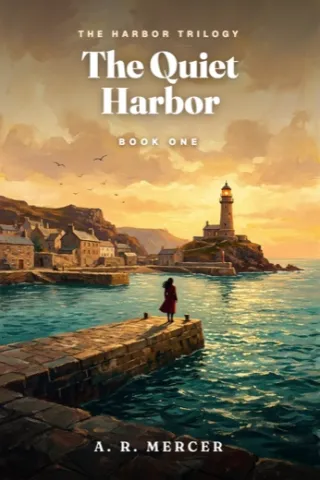
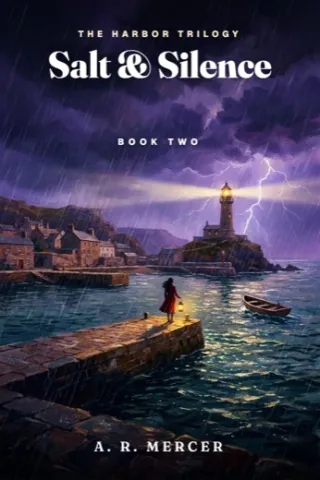
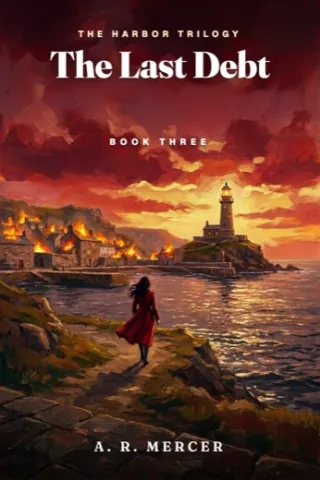
- Characters at their latest state
- The plot, book by book
- Your voice on the page
- Reyes stays out of Book 4
Watch the series step
Choosing previous books, ordering them from first to most recent, and the extraction that follows — characters, chapter-level plot, writing style.
Recorded in the product. No edits to the interface.
What Actually Carries Over
Each previous book is read on its own first, then the results are merged into one set of context for the new book. Three things come across, and they are handled differently.

Every meaningful character is extracted with name, age, appearance, role, background, personality, voice and the arc they travelled in that book — and a flag for whether they are still relevant going forward. A character who died, left permanently, or was a one-time antagonist who was defeated is marked as gone and does not come into the new book's cast. When a character appears across several books, the merge keeps their most recent state and combines what each book added, so the background from book one and the growth from book three end up on the same sheet.
You get one deduplicated cast list, each character described as they stand at the end of the most recent book they appear in.
Each book gets a condensed chapter outline — the plot summary and key events per chapter, kept to what actually matters for continuity. Those are then compressed into one narrative summary per book, focused on major plot points, character turning points, world-building reveals and cliffhangers. The most recent book keeps its chapter-level detail, because that is the one the new book has to pick up from directly.
You get a story-so-far synopsis across the whole series, plus a per-book compressed outline, plus a suggested chapter count for the new book based on the average across the ones you gave it.
The writing style is extracted from the actual prose of the books you provided, not from a checkbox you tick. Tone, style, genres and subgenres are read per book and merged across the series, and the analysis deliberately ignores forewords, prefaces, acknowledgements, dedications, author notes and appendices — so the voice it learns is the voice of your chapters, not the voice of your front matter.
You get a unified series title, an aggregated audience and tone, and a writing style pulled from your own sentences.
How Series Continuation Works
Six steps, at the start of a new book. The extraction runs once and the result stays attached to the book, so you can leave and come back without repeating it.

Say it's a series
At the start of a new book you are asked whether it continues a series. Answering yes opens the series path; answering no leaves you in the ordinary flow. Nothing else about the book changes.
Point at the previous books
Two ways in. Upload the files from your computer — .doc, .docx, .pdf, .epub and other book formats — or pick from books you have already created on the platform. Library books need written chapters to be selectable.
Put them in order
Order the books from first to most recent, moving them up and down. The order is what makes the merge work: it decides which version of a character is the current one and which book's ending the new book follows.

Extraction
Each book is read separately for characters, chapter-level plot and metadata. Then the results are merged: descriptions into a story-so-far synopsis, characters into one current cast, outlines into per-book summaries, and the prose into a writing style. 50 credits per previous book, charged once the run completes.

Draft or fresh start
You are then asked whether you have a draft of the next book to import. Import one and it lands on top of the series context, or skip it and start the new book from the context alone — including a suggested description of what the next book could be about, written as a continuation rather than a recap.
Write book two
From there it is the normal flow — details, characters, outline, chapters — except the cast, the history and the voice are already filled in and editable. Everything remains yours to change before a chapter is written.
The Part Most Tools Get Wrong
A summary of your last book is not series context. Series context is knowing that the mentor is dead, that the sister's confession in chapter twelve was a lie, that a debt was promised and never paid, and that the character who mattered most in book one has not been on the page since. The extraction is built around that distinction: it reads for state at the end of the book, not for a plot recap.
Deaths and departures are marked
Characters carry a relevance flag. Died, left permanently, or defeated for good means they are not carried into the new book's cast.
Cliffhangers are kept on purpose
The compression is told to preserve major plot points, character turning points, world-building reveals and cliffhangers — the things the next book has to answer to.
Nothing is invented
The extraction is instructed to take only what is explicitly in the text and to add nothing. If book one never said it, the series context does not claim it.
Non-fiction series too
For a non-fiction series the same machinery reads book structures and sections instead of characters, so a series of guides keeps its organising logic across volumes.
How It Behaves in Practice
The details that decide whether a series feature is usable on book six or only on book two.
Five Books, and a Sensible Rule Above That
You can bring in up to five previous books. If the series is longer, the guidance in the product is to use the last five — enough to capture the current state of the cast and the open threads without diluting the context with events nobody remembers.

Files or Library, Your Choice
Books written elsewhere come in as uploads, in .doc, .docx, .pdf, .epub and other formats. Books written here are picked from a list with their covers. The two paths produce the same context, so a series that started in Word can continue here.

One Cast List, Deduplicated
A character in four books does not arrive four times. The merge keeps one entry, at their most recent state, with the details from each appearance combined and their arc described across the series rather than per book.
A Suggested Chapter Count
The new book gets a suggested chapter count based on the average across the books you provided, so the shape of the sequel matches the shape readers already accepted.

A Description for the Next Book, Not a Recap
Alongside the story-so-far synopsis you get a short description of what the next book could be about — new events, new conflict, new stakes continuing from where the series stopped. It is a starting point you edit, not a plot you are stuck with.
Import a Draft On Top
Already started book two elsewhere? Import it after the series step and the draft lands with the series context already in place, so the imported chapters are read in the light of what came before.
Who Writes This Way
Series writers, and the specific problem each of them has.
Long-Running Genre Series
Book seven of a fantasy or thriller series, where the cast has changed three times and you cannot hold the whole thing in your head any more. The last five books go in; the current cast and the open threads come out.
Series Started Before You Found Us
The first books were written in Word or Scrivener and published on KDP. Upload the files, and the series continues here without retyping the bible you never wrote down.

Handing a Series to a Collaborator
A co-author or ghostwriter picking up book four gets a character sheet, a per-book plot summary and an extracted voice, instead of an instruction to read three novels first.

Non-Fiction Series and Guides
A run of guides that shares terminology and organising structure. The extraction reads the book structures and sections, so volume three is built like volumes one and two.
What Series Support Costs
One charge for the extraction, then the new book costs whatever a book costs.
Series extraction
Charged once, when the run completes. Five previous books is 250 credits, and the resulting context stays attached to the new book — you do not pay again to reopen it.
- Characters, plot and writing style read from the full text
- Merged cast list and story-so-far synopsis
- Suggested chapter count and a description for the next book
Writing the new book
Pro plan featureOnce the context exists, book two is written like any other book here. Chapter outlines are 3 credits, a full chapter is 15 with Gemini, 20 with Grok, 30 with Claude Sonnet, and a cover is 30.
- Series context editable before anything is written
- Import a draft of the next book on top of it
- Included in the Pro plan and above
Series Questions, Answered
What series writers ask before feeding three novels into a tool.
Up to five. If your series is longer, use the last five — that is the guidance in the product, and it is enough to capture where the cast currently stands and which threads are still open. Each previous book costs 50 credits to process.
No. You can upload files from your computer in .doc, .docx, .pdf, .epub and other book formats, or select books already in your library, or mix the two. A series that started in Word can be continued here.
They are marked as no longer relevant during extraction and left out of the new book's cast. The rule covers characters who died, who left permanently, and one-time antagonists who were defeated. Their part in the story stays in the plot summaries — they just do not turn up in the cast list for book two.
The writing style is extracted from the prose of the books you provided, and the analysis is told to ignore forewords, prefaces, acknowledgements, dedications, author notes and appendices, so it learns from your chapters rather than your front matter. Tone, style, genres and subgenres are read per book and merged across the series.
Yes, all of it. The cast list, the descriptions, the outline and the writing style land in the new book as ordinary editable fields. Nothing about the extraction is locked, and nothing is written until you move on to chapters.
Yes. For a non-fiction series the same process reads book structures and their sections instead of characters, and merges them the same way, so a run of guides keeps its organising logic and terminology across volumes.
Series support is available on the Pro plan and above. The 50-credits-per-book extraction is then paid from your plan's credits like any other action.
Still have questions?
Contact SupportKeep Exploring
The rest of the work around a series.
Finish an Existing Draft
Bring in a partial manuscript for the next book and keep writing.
AI Book Translator
Take the series into another language, one book at a time.
AI Novel Writer
How full-length fiction is written here, chapter by chapter.
Free Series Planner
Sketch the arc of a series before committing to book one.
Start Book Two Knowing What Happened in Book One
Point at what you have already published, put the books in order, and let the cast, the history and the voice come forward on their own. Then edit any of it before you write a word of the new book.