

A single project can involve books, journal articles, interviews, websites, reports, and other references. As the source list grows, citation details can become surprisingly difficult to manage.
A consistent research workflow can make that process much easier.
Start Organizing Sources From the Beginning
One of the easiest mistakes to make is leaving citation work until the end.
A writer may begin with a few sources, expecting to remember where each fact came from. Several chapters later, that same project may contain dozens of references.
Instead of trying to reconstruct everything later, record source information as you research.
Useful details can include:
- Author or organization name
- Title of the source
- Publication date
- Publisher or journal
- Page numbers where relevant
- Website URL
- Date accessed for online sources
This takes a little extra effort during research but can save significant time during editing.
Choose a Citation Style Before You Start
Different academic and publishing projects use different citation systems.
Some projects require APA, others MLA, Chicago, or Turabian. The differences may seem minor at first, but they can affect footnotes, bibliographies, source order, punctuation, and formatting.
Choosing the required style before drafting helps prevent major formatting work later.
If you are writing for an academic audience, check the requirements provided by your institution, publisher, professor, or editor.
Keep Notes Connected to Their Sources
A common research problem occurs when writers save an interesting fact without recording its source.
Months later, they remember the information but cannot remember where they found it.
A better system connects the note to its source immediately.
For example:
- Research note: A particular historical event occurred in a specific year.
- Source: Book title, author, page number.
This becomes especially useful when several sources discuss the same subject.
It also makes fact-checking much faster during the editing stage.
Use Citation Tools to Reduce Repetitive Work
Citation formatting can involve a lot of small details.
Writers need to make sure names, titles, dates, page numbers, punctuation, and source information follow the required style consistently.
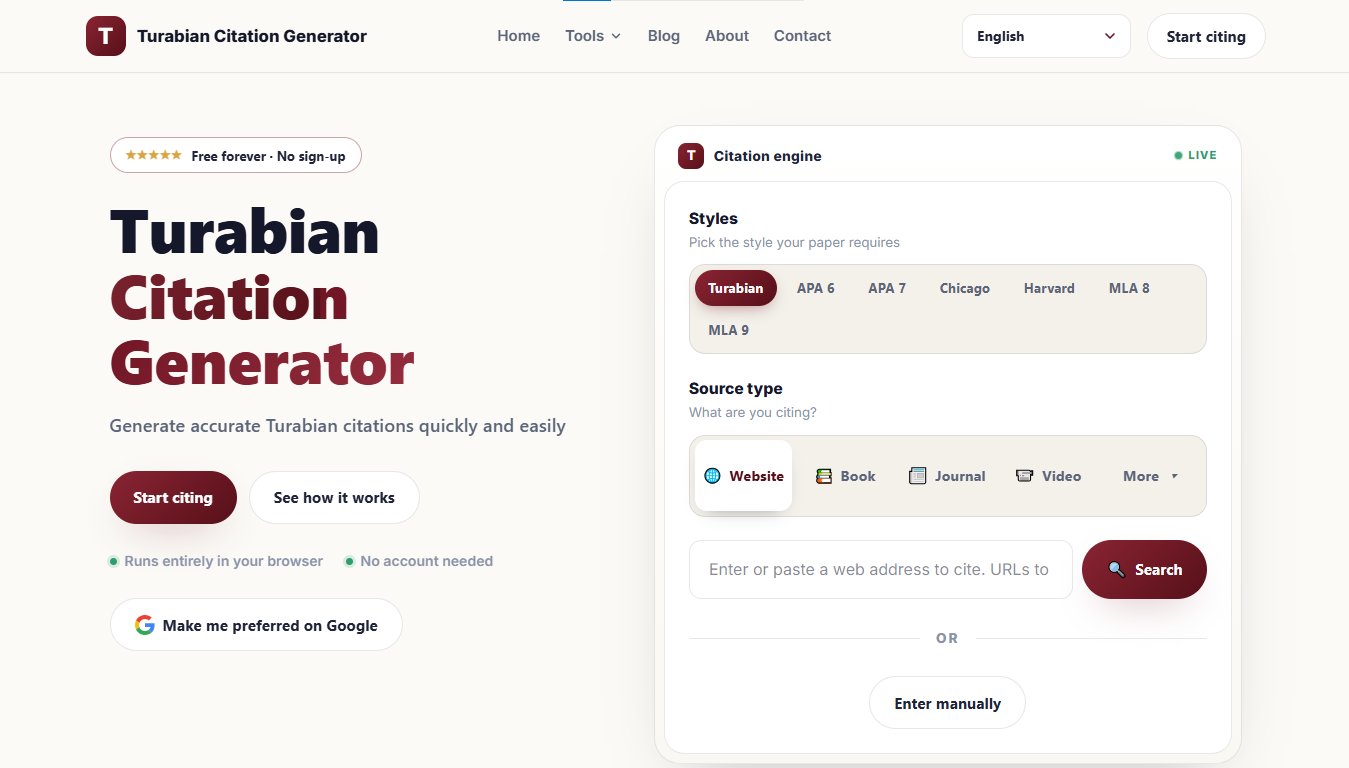
A Turabian citation generator can help writers create properly structured citations when working with sources that need to follow Turabian formatting.
Tools like this are most useful when treated as part of a larger workflow. Writers should still review the generated citation against the original source and the specific requirements of their project.
Keep a Separate Bibliography
Another useful habit is maintaining a master bibliography while researching.
Instead of creating citations only when they appear in the manuscript, keep a running record of sources that may become relevant.
This can include sources you have already cited and sources you may use later.
As the manuscript develops, remove references that are no longer needed and verify the remaining entries.
A clean bibliography makes the final editing stage much easier.
Check Citations During Editing
Citation review should be part of the editing process rather than a final afterthought.
Look for claims that require sources and confirm that the corresponding references are actually included.
Then check the opposite problem: sources listed in the bibliography that are never mentioned in the manuscript.
A simple citation audit can catch these inconsistencies before publication.
Be Careful With Online Sources
Digital sources can change over time.
A webpage may be updated, moved, or removed after you cite it. For important research, keep enough information to identify the original source later.
Depending on the requirements of the chosen citation style, you may also need to record an access date or other publication details.
Saving a copy of important research material can also be useful when permitted.
Don't Confuse Citation Formatting With Fact-Checking
A correctly formatted citation does not automatically make a claim reliable.
Writers still need to evaluate the source itself.
Ask whether the source is appropriate for the claim, whether the information is current enough, and whether another reliable source supports the same conclusion.
Citation tools solve formatting problems. They do not replace research judgment.
Make Research Easier to Manage
Long-form writing becomes much easier when research has a system behind it.
A practical workflow might look like this:
- Find a useful source.
- Record its complete details.
- Save the relevant research note.
- Connect the note to the source.
- Add the source to your bibliography.
- Insert the citation when the information enters the manuscript.
- Review citations during editing.
This approach reduces the amount of detective work required at the end of a project.
Final Thoughts
Good citation management is part of good research.
When writers record sources early, choose the correct citation style, maintain organized notes, and review references during editing, the final manuscript becomes much easier to verify and prepare for publication.
Citation tools can reduce repetitive formatting work, but the writer still needs to check the source information and make sure every reference accurately supports the material.
The goal is simple: spend more time developing valuable ideas and less time trying to remember where those ideas came from.